
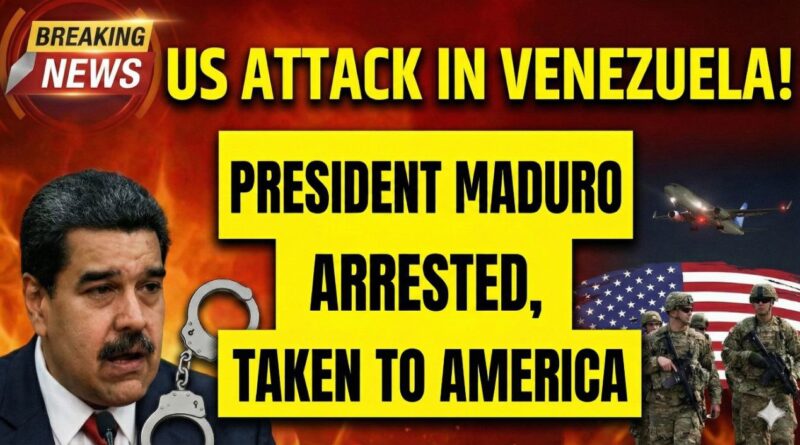
Border Brink: Global Discourse on the Venezuela Crisis
The text discusses widespread social media reactions and international responses to a rapid U.S. military operation that led to the capture of Venezuelan President Nicolás Maduro. Public opinion is sharply divided. Supporters see the action as the removal of a dictator, while critics call it an illegal violation of Venezuela’s sovereignty, accusing the U.S. of acting for oil and strategic control. The sudden operation triggered regional instability and global debate over international law and American interventionism.
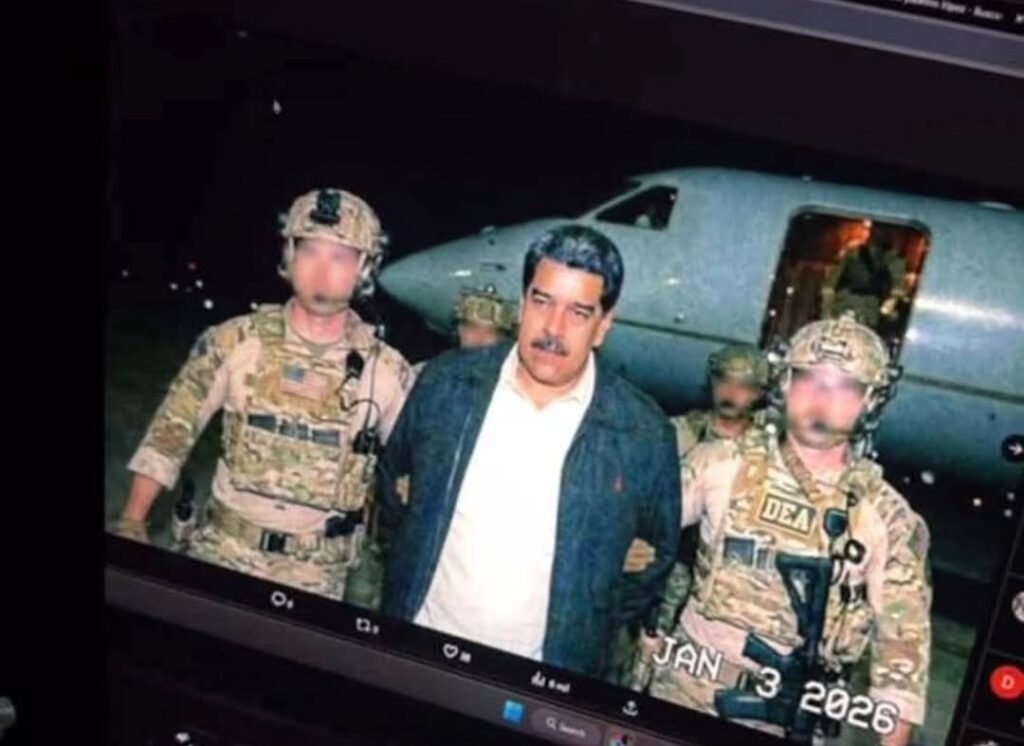
The operation itself was reportedly carried out by U.S. Delta Force as a fast “snatch and grab” mission. Maduro was captured directly from his presidential palace after U.S. helicopters entered the Venezuelan capital. The entire mission was completed within two to four hours, with many calling it a three hour operation. Observers highlighted how quickly the U.S. penetrated Venezuelan defenses and removed the country’s leadership, describing it as a surgical strike rather than a traditional war.
In Latin America, reactions were immediate. Colombia deployed troops along its border with Venezuela. This move was driven by fears of a refugee crisis, concerns over violence from a sudden power vacuum, and efforts to prevent members of the former regime from fleeing. Political tensions escalated because Colombia’s current president had been a close ally of Maduro. As a result, Colombia recalled its ambassador to the U.S., paused American arms purchases, and demanded legal action against U.S. officials. Cuba condemned the action as aggressive, while Brazil and Mexico urged de escalation to avoid wider conflict.
Globally, Maduro’s allies were forced to reassess their positions. Russia condemned the use of force but was criticized for failing to protect its ally. Some analysts suggested Russia may accept Maduro’s fall in exchange for advantages elsewhere. China viewed the event as a warning that the U.S. is reasserting control over its sphere of influence, with concerns that disrupted Venezuelan oil supplies could increase global instability. The situation also raised questions about Taiwan.
In Turkey, the fallout became visible when Cemil Ertem, a senior adviser to President Erdoğan, deleted a pro Maduro message shortly after the capture. This was seen as strategic distancing due to diplomatic pressure, fear after the rapid collapse, or possible involvement in exile negotiations. Despite this, Turkey remains the most likely destination for Maduro’s exile because of long standing ties between the two countries.
European reactions were cautious. While the U.S., UK, and EU had earlier rejected Maduro’s leadership, several European governments were uneasy about the method used, delaying unified statements and limiting cooperation. Italy openly supported Maduro’s removal, calling him a dictator.
In the U.S., the Trump administration labeled Maduro a member of a foreign terrorist organization and justified the mission as necessary for security and anti drug efforts, though critics argue it was primarily about controlling Venezuelan resources.
Overall, the event reshaped regional alliances, exposed global power shifts, and left Venezuela facing an uncertain future.


 English
 Afrikaans
 Shqip
Shqip አማርኛ
አማርኛ العربية
 Հայերեն
 Azərbaycan dili
 Euskara
 Беларуская мова
 বাংলা
বাংলা Bosanski
 Български
 Català
 Cebuano
 Chichewa
 简体中文
简体中文 繁體中文
繁體中文 Corsu
Corsu Hrvatski
 Čeština
 Dansk
Dansk Nederlands
 Esperanto
 Eesti
Eesti Filipino
 Suomi
Suomi Français
 Frysk
Frysk Galego
 ქართული
 Deutsch
 Ελληνικά
 ગુજરાતી
 Kreyol ayisyen
 Harshen Hausa
 Ōlelo Hawaiʻi
 עִבְרִית
 हिन्दी
 Hmong
Hmong Magyar
 Íslenska
 Igbo
Igbo Bahasa Indonesia
 Gaelige
 Italiano
 日本語
日本語 Basa Jawa
 ಕನ್ನಡ
ಕನ್ನಡ Қазақ тілі
 ភាសាខ្មែរ
 한국어
한국어 كوردی
كوردی Кыргызча
 ພາສາລາວ
 Latin
Latin Latviešu valoda
 Lietuvių kalba
 Lëtzebuergesch
 Македонски јазик
 Malagasy
 Bahasa Melayu
 മലയാളം
 Maltese
 Te Reo Māori
 मराठी
मराठी Монгол
 ဗမာစာ
ဗမာစာ नेपाली
 Norsk bokmål
 پښتو
پښتو فارسی
فارسی Polski
 Português
 ਪੰਜਾਬੀ
 Română
 Русский
 Samoan
 Gàidhlig
 Српски језик
 Sesotho
 Shona
Shona سنڌي
سنڌي සිංහල
සිංහල Slovenčina
 Slovenščina
 Afsoomaali
 Español
 Basa Sunda
 Kiswahili
 Svenska
 Тоҷикӣ
 தமிழ்
தமிழ் తెలుగు
 ไทย
ไทย Türkçe
 Українська
 اردو
اردو O‘zbekcha
 Tiếng Việt
 Cymraeg
 isiXhosa
 יידיש
יידיש Yorùbá
 Zulu
Zulu