
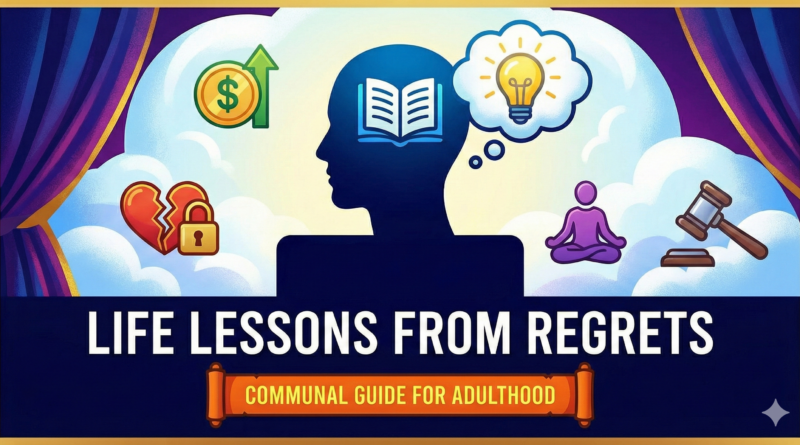
Hard Life Lessons Men Learn Too Late
This Reddit discussion brings together life lessons and regrets shared by people as they grow older. A recurring theme is financial discipline. Many stress the importance of investing early, avoiding bad loans, and building long term security. Personal boundaries are equally emphasized, with strong warnings against trusting others blindly and advice to rely on oneself in both family and social situations. Career growth is another key focus, with users encouraging upskilling, grabbing opportunities early, and becoming stable in life before committing to serious relationships. Physical health and mental well being are also highlighted, as many admit these were neglected during younger years. Overall, the thread acts as a practical guide to adulthood, urging a balance between ambition, caution, and self care.
Many men reflect on life mistakes linked to relationships. Common regrets include weak boundaries, misplaced trust, and ignoring personal needs to meet family or social expectations. These issues appear across family life, friendships, and romantic relationships.

Family Regrets
Several men regret blindly following parental advice on careers and life decisions, often sacrificing their own interests and mental peace. Some feel reduced to being a retirement plan rather than an independent individual. Other regrets include being too open about salaries, which led to guilt pressure and relatives deciding how their money should be spent. Many regret large financial commitments like building homes in hometowns they never lived in. On an emotional level, some regret not being kinder to parents while they were alive or failing to secure mental health support for them. There is also regret over trusting relatives who were not genuine well wishers.
Friendship Regrets
With friends, regrets often stem from misjudging relationships. Many regret being overly nice or always available, which led to being used financially or emotionally. Some regret compromising their values, such as joining in bullying or harmful behavior just to fit in. Mixing money with friendships is another major regret, especially lending money that was never returned or starting businesses that ruined friendships. Others regret not having a small, trusted group of close friends to share important moments in life.

Romantic Regrets
Romantic mistakes often involve poor timing, wrong choices, or excessive vulnerability. A major regret is sharing deep personal trauma with partners who later used it during arguments. Many regret chasing people who were never interested or loving potential instead of reality. Getting serious in relationships before being financially stable is widely seen as a mistake. Some regret losing self respect by changing themselves, begging for love, or forgiving cheating. On the other hand, some regret overthinking and rejecting genuine opportunities when they were younger.
Overall, these reflections suggest that relationships require constant awareness. Ignoring small issues like poor boundaries and misplaced trust often leads to bigger problems later.
Career and Upskilling Lessons
For early careers, the advice is to value experience over salary or prestige. Taking a low paying job is better than having no experience. Roles with growth potential matter more than company names. Young professionals are urged to use their energy wisely by being visible, networking, and actively engaging with their field. Those preparing for government jobs are advised to limit attempts to about three years before switching paths.
Upskilling is described as lifelong and unavoidable. Studying at least 30 minutes daily is recommended to stay competitive. Switching fields requires aggressive self learning through books and guidance. Free online resources are considered sufficient, making expensive courses unnecessary. Some suggest sacrificing academic marks to follow curiosity, as curiosity leads to real knowledge.
Professional visibility is also crucial. Building a public portfolio on platforms like LinkedIn or Substack, finding mentors, and networking outside the workplace are strongly encouraged. Career management lessons include switching companies every two to three years, keeping emotions separate from business, and avoiding working with friends or family. An early grind is preferred so later life can be easier. Side incomes or freelancing are encouraged, but with caution to protect primary employment.

Oversharing Trauma in Relationships
Many warn against sharing deep personal trauma with romantic partners. While initial reactions may seem supportive, such information is often later used during conflicts to control or silence someone. This can lead to manipulation, emotional abuse, loss of independence, and even legal or family consequences during separation. The betrayal often results in long term trust issues, with many deciding to never share such experiences again except with professionals.
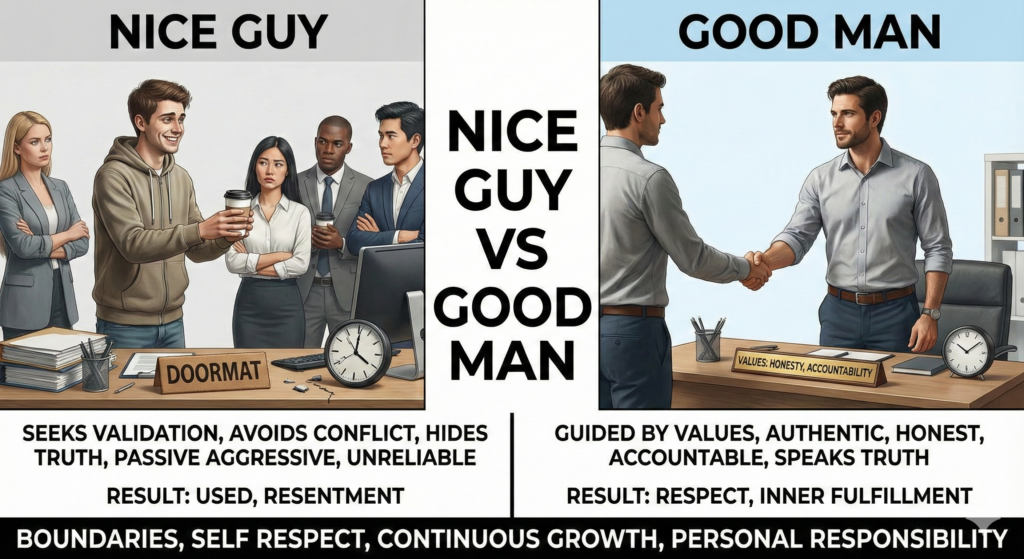
Nice Guy vs Good Man
A clear distinction is made between being a nice guy and a good man. A nice guy seeks validation, avoids conflict, hides the truth, and often becomes passive aggressive and unreliable. This behavior frequently leads to being used by others. A good man, in contrast, is guided by strong values, authenticity, honesty, and accountability. He speaks the truth even when uncomfortable and gains respect through consistency. Being a good man brings inner fulfillment, while being a nice guy often leads to resentment and loss of self worth.
In essence, these shared experiences emphasize boundaries, self respect, continuous growth, and personal responsibility as the foundation for a stable and meaningful life.


 English
 Afrikaans
 Shqip
Shqip አማርኛ
አማርኛ العربية
 Հայերեն
 Azərbaycan dili
 Euskara
 Беларуская мова
 বাংলা
বাংলা Bosanski
 Български
 Català
 Cebuano
 Chichewa
 简体中文
简体中文 繁體中文
繁體中文 Corsu
Corsu Hrvatski
 Čeština
 Dansk
Dansk Nederlands
 Esperanto
 Eesti
Eesti Filipino
 Suomi
Suomi Français
 Frysk
Frysk Galego
 ქართული
 Deutsch
 Ελληνικά
 ગુજરાતી
 Kreyol ayisyen
 Harshen Hausa
 Ōlelo Hawaiʻi
 עִבְרִית
 हिन्दी
 Hmong
Hmong Magyar
 Íslenska
 Igbo
Igbo Bahasa Indonesia
 Gaelige
 Italiano
 日本語
日本語 Basa Jawa
 ಕನ್ನಡ
ಕನ್ನಡ Қазақ тілі
 ភាសាខ្មែរ
 한국어
한국어 كوردی
كوردی Кыргызча
 ພາສາລາວ
 Latin
Latin Latviešu valoda
 Lietuvių kalba
 Lëtzebuergesch
 Македонски јазик
 Malagasy
 Bahasa Melayu
 മലയാളം
 Maltese
 Te Reo Māori
 मराठी
मराठी Монгол
 ဗမာစာ
ဗမာစာ नेपाली
 Norsk bokmål
 پښتو
پښتو فارسی
فارسی Polski
 Português
 ਪੰਜਾਬੀ
 Română
 Русский
 Samoan
 Gàidhlig
 Српски језик
 Sesotho
 Shona
Shona سنڌي
سنڌي සිංහල
සිංහල Slovenčina
 Slovenščina
 Afsoomaali
 Español
 Basa Sunda
 Kiswahili
 Svenska
 Тоҷикӣ
 தமிழ்
தமிழ் తెలుగు
 ไทย
ไทย Türkçe
 Українська
 اردو
اردو O‘zbekcha
 Tiếng Việt
 Cymraeg
 isiXhosa
 יידיש
יידיש Yorùbá
 Zulu
Zulu